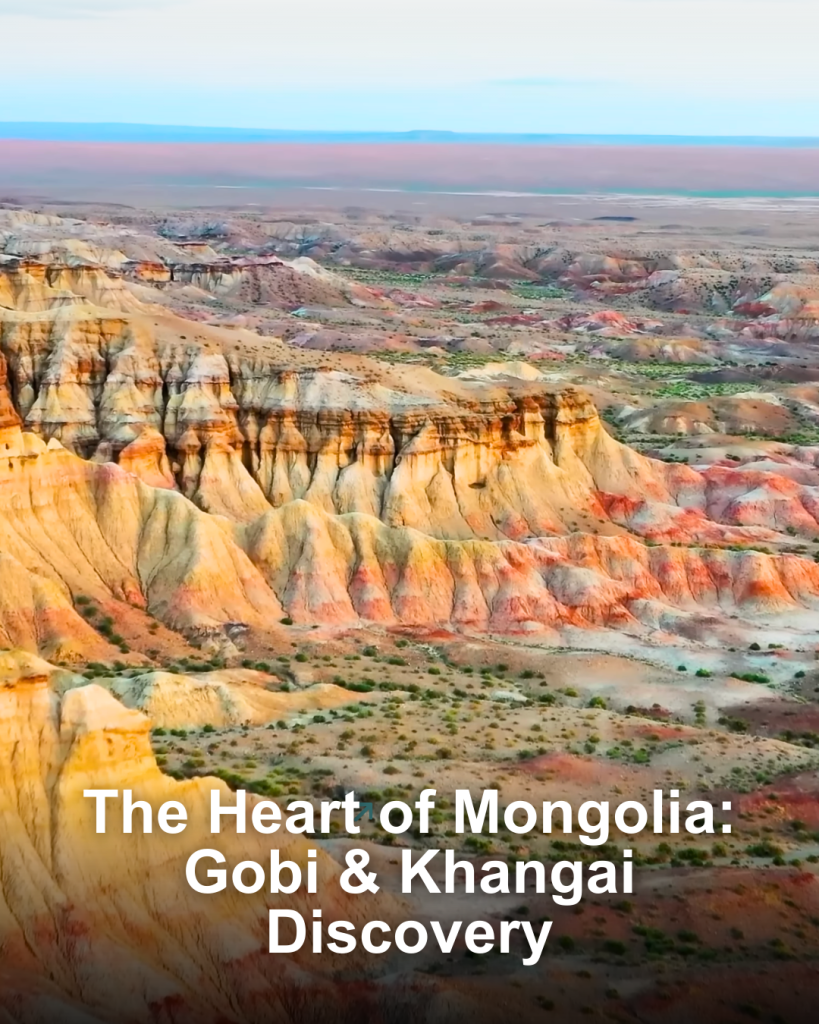
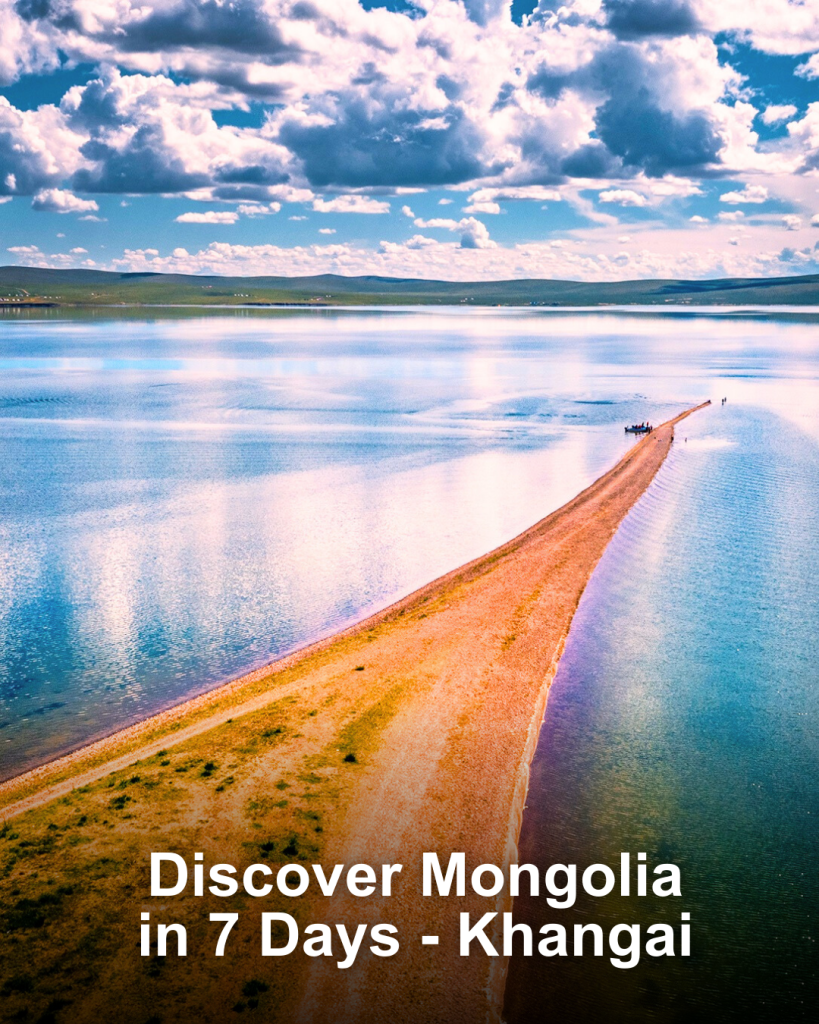
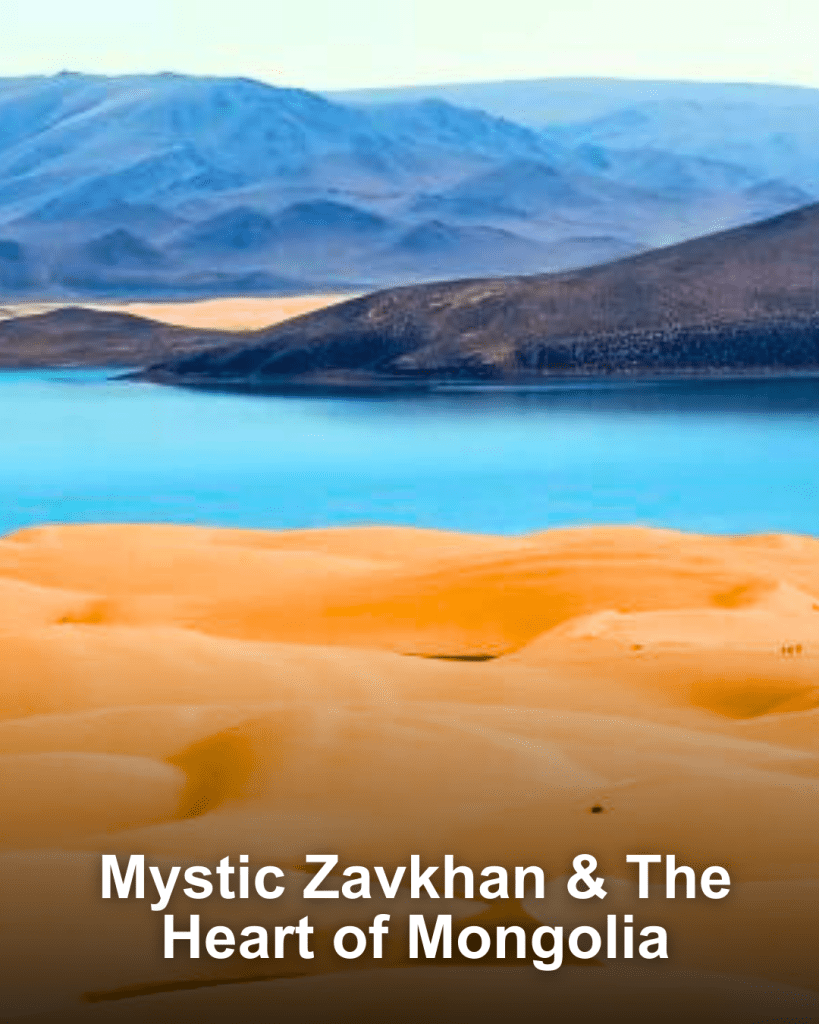
JOY MONGOLIA TRAVEL

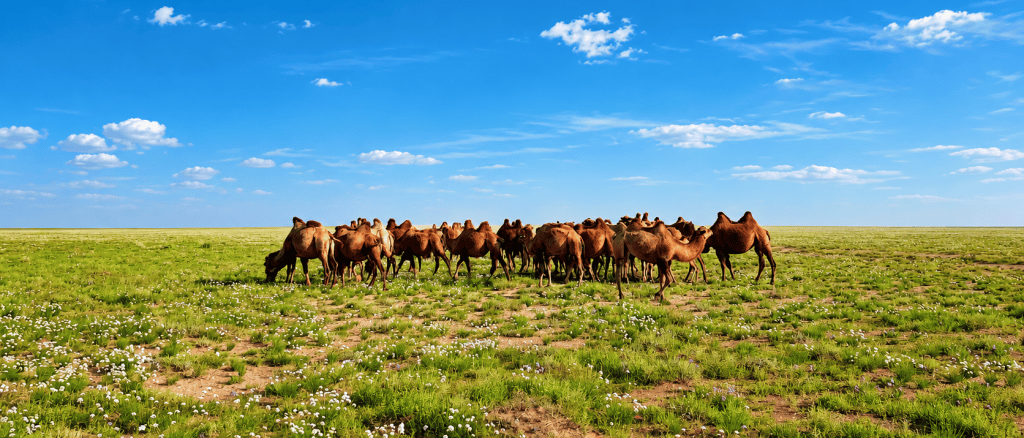
Joy Mongolia Travel is your trusted guide to exploring the breathtaking landscapes, rich culture, and untamed beauty of Mongolia. From nomadic traditions to natural wonders, we craft unforgettable travel experiences tailored just for you.

Explore Mongolia Start Your Journey!

Plan Your Dream Trip to Mongolia Today!

About us · Joy Mongolia Travel

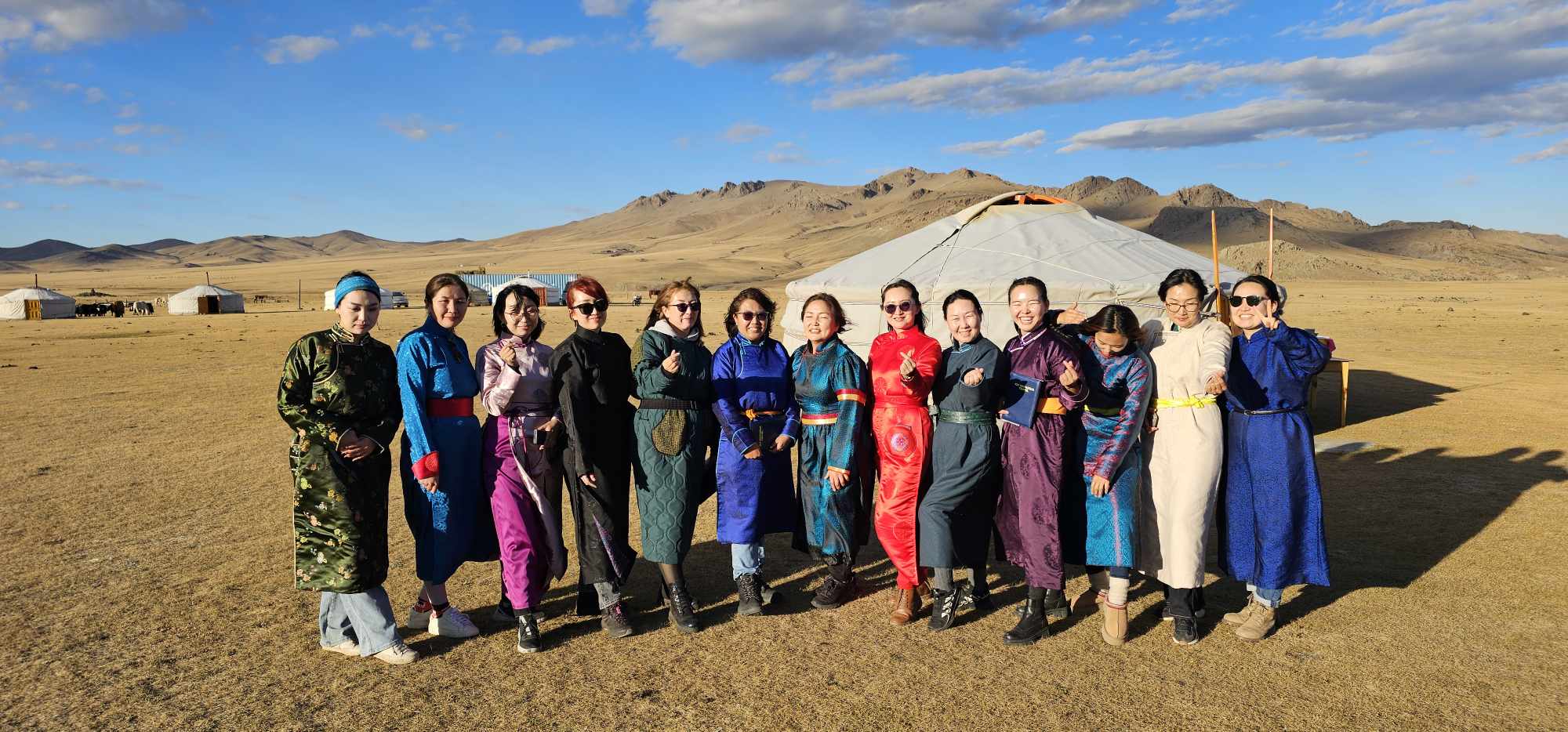
Local People. Personal Journeys.

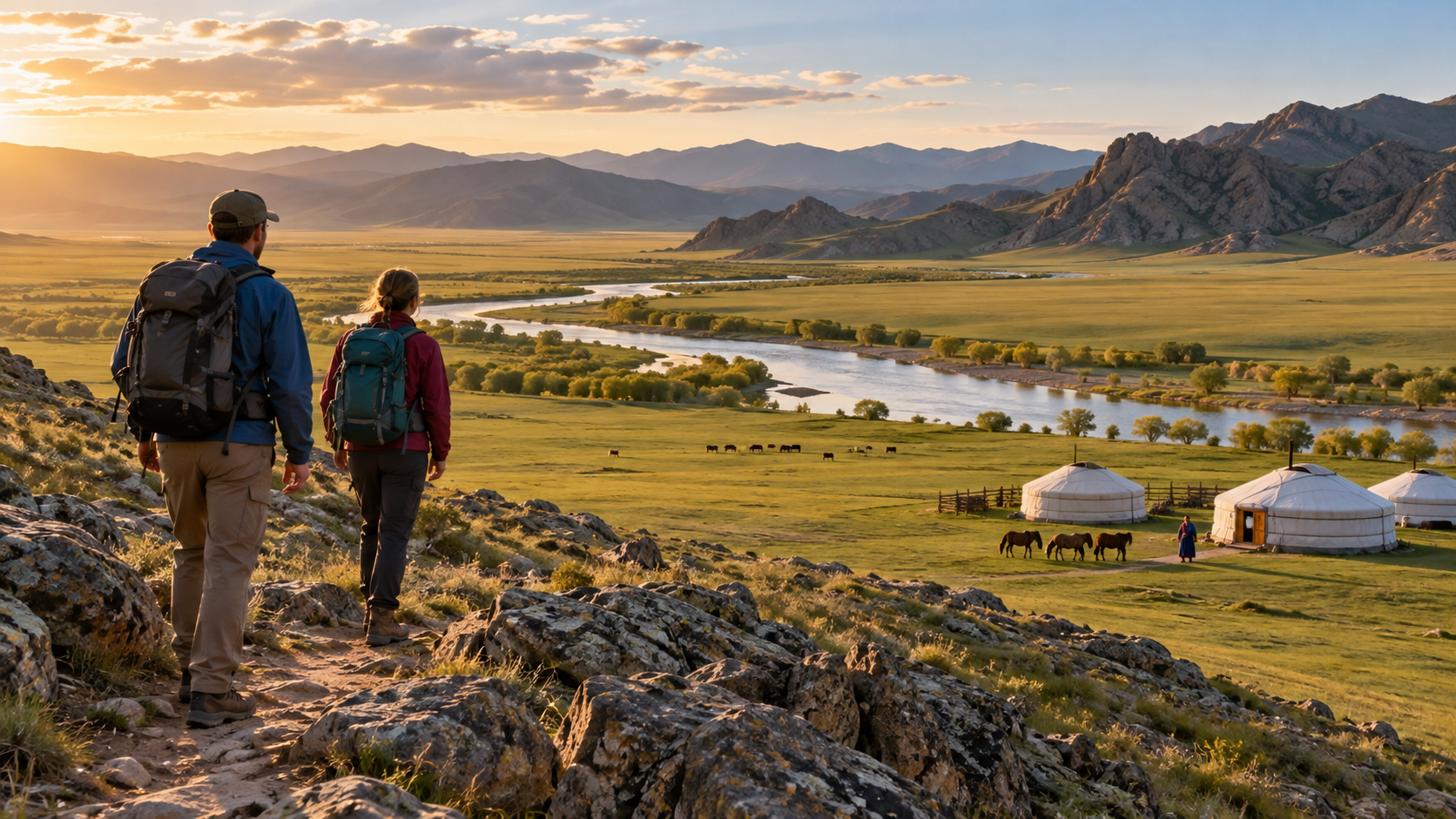
Discover Mongolia through its landscapes, living traditions, and local people.

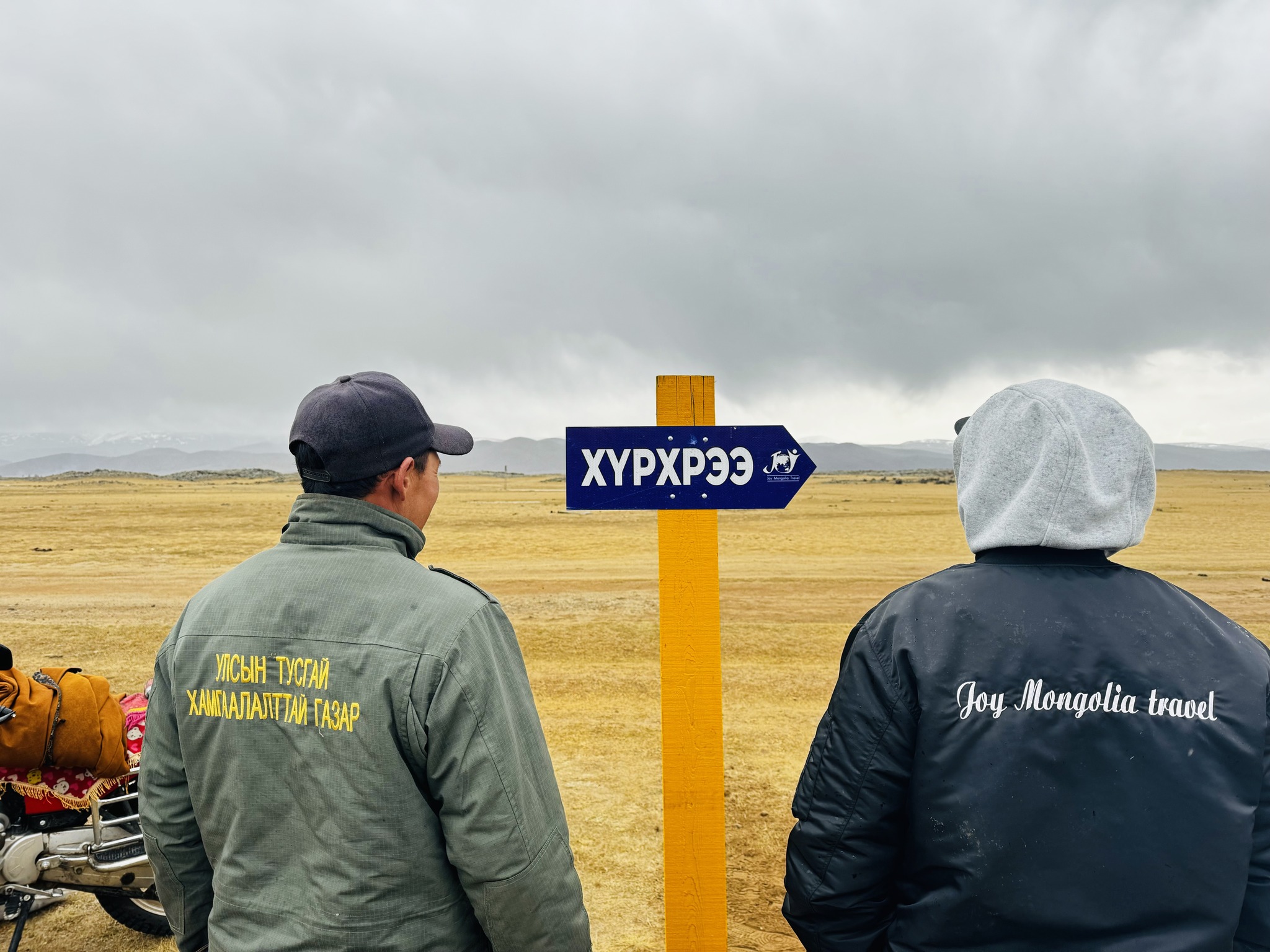
A person wearing a Joy Mongolia Travel jacket beside a protected-area ranger and a waterfall direction sign.
Joy Mongolia Travel · Mongolia
Locally owned · Since June 2016

Who We Are

Joy Mongolia Travel LLC is a locally owned and operated travel agency in Mongolia, established in June 2016. We started by offering tailored travel experiences for Korean travelers and have since expanded to welcome visitors from all over the world.

What We Do

We provide authentic and immersive travel experiences that showcase Mongolia’s stunning landscapes, rich cultural heritage, and nomadic way of life. Our tours are designed to cater to travelers seeking adventure, cultural exploration, and sustainable tourism.

Our Mission

Our mission is to reduce negative impacts on the environment while also supporting local communities by raising awareness among stakeholders about sustainable tourism and sustainable business practices. We also aim to pioneer the Mongolian tourism sector through our dedication to and pursuit of sustainable tourism advancement.

Select a photo to view it in a new tab.

Why Choose Us?

Locally Owned & Operated

Based in Mongolia, ensuring authentic experiences.

Customized Tours

We create personalized itineraries to match your style.

Eco-Friendly Tourism

Promoting sustainable travel that benefits local communities.

Experienced Guides

Providing cultural insights and hospitality.

Let’s start planning your Mongolia journey together.

Talk to Our Local Team →

Stories from Mongolia

Memories shared by our travelers

Featured traveler stories

More traveler reviews

From our blog

Read All Posts

  • Mongolia Travel Packing Checklist

    Traveling in Mongolia requires thoughtful preparation due to its vast landscapes, strong sunlight, dry climate, and wide temperature fluctuations between day and night. Use this checklist to ensure a safe, comfortable, and enjoyable journey. ✅ Essential Personal Items 🧼 Toiletries 👕 Clothing 💊 Medicine & First Aid ➕ Additional Items 📱 Electronics 🏕️ Travel Tip…

  • How to Get from Chinggis Khaan Airport to Downtown Ulaanbaatar

    Traveling to Mongolia this summer? If you’re arriving through Chinggis Khaan International Airport and heading to Sukhbaatar Square in downtown Ulaanbaatar, the airport shuttle bus is a simple and reliable option. After clearing immigration and collecting your luggage, head to the left side of the arrival hall to find the Bus Ticket Information Center. You…

  • 🌟 Join the 2025 Ulaanbaatar International Marathon – May 24 🌟

    One of Mongolia’s most exciting annual events is back! The Ulaanbaatar International Marathon will be held this year on May 24, 2025. Held every year during the last week of May, this much-loved event has become a symbol of community, endurance, and celebration. In 2024, the marathon drew a record-breaking 30,000 participants from both Mongolia…

Your Mongolia travel guide

Before You Travel

Practical information to help you prepare for a comfortable and memorable journey through Mongolia.

When to Visit Mongolia

Find the right season for your journey.

Read full guide Close guide

Mongolia is a destination of remarkable contrasts, where every season offers a different experience. From the lush green valleys of summer to the golden landscapes of autumn and the peaceful snow-covered steppes of winter, the best time to visit depends on the journey you wish to experience.

Summer — June to August

Summer is the most popular season for traveling in Mongolia. The grasslands are green, nomadic families move to their summer pastures, and many tourist camps operate at full capacity.

It is an excellent time for first-time visitors, family holidays, horseback riding, cultural experiences, and multi-day journeys across the countryside.

July is also the season of Naadam, Mongolia’s traditional festival featuring wrestling, horse racing, and archery.

What to expect:

  • Generally warm days, especially in July
  • Cool mornings and evenings, particularly in mountain regions
  • Occasional heavy rain, thunderstorms, and muddy roads
  • More visitors at popular destinations during peak summer

Autumn — September to October

Autumn brings crisp air, quieter destinations, and beautiful golden landscapes. It is especially attractive for photography, cultural journeys, and travelers who prefer fewer crowds.

September is often a wonderful month for visiting the Gobi Desert and central Mongolia, although nights become increasingly cold.

Winter — November to March

Winter offers a completely different side of Mongolia, with snow-covered steppes, frozen lakes, and remarkable seasonal traditions.

Winter travel may include eagle hunting cultural experiences, winter photography, and selected snow and ice activities.

Temperatures can drop far below freezing, and travel requires suitable clothing, specialist planning, and additional flexibility.

Spring — April to May

Spring is a season of change, with strengthening sunshine, cold winds, and increasingly active nomadic life. Travelers may have opportunities to experience livestock birthing season and traditional herding activities.

However, dust storms, sudden temperature changes, and unpredictable weather can affect travel plans.

Best time by destination

Destination Generally recommended period
Gobi DesertMay–June, September–October
Central MongoliaJune–September
Lake KhuvsgulJune–September
Terelj National ParkMay–October
Altai MountainsJune–September for general sightseeing
ZavkhanJune–September
Winter cultural journeysDecember–March

These are general seasonal guidelines rather than guarantees. Conditions vary by location, altitude, and year.

JOY MONGOLIA TIP

Not sure when to visit? Tell us what you would love to experience, and our local team can suggest the most suitable season and itinerary.
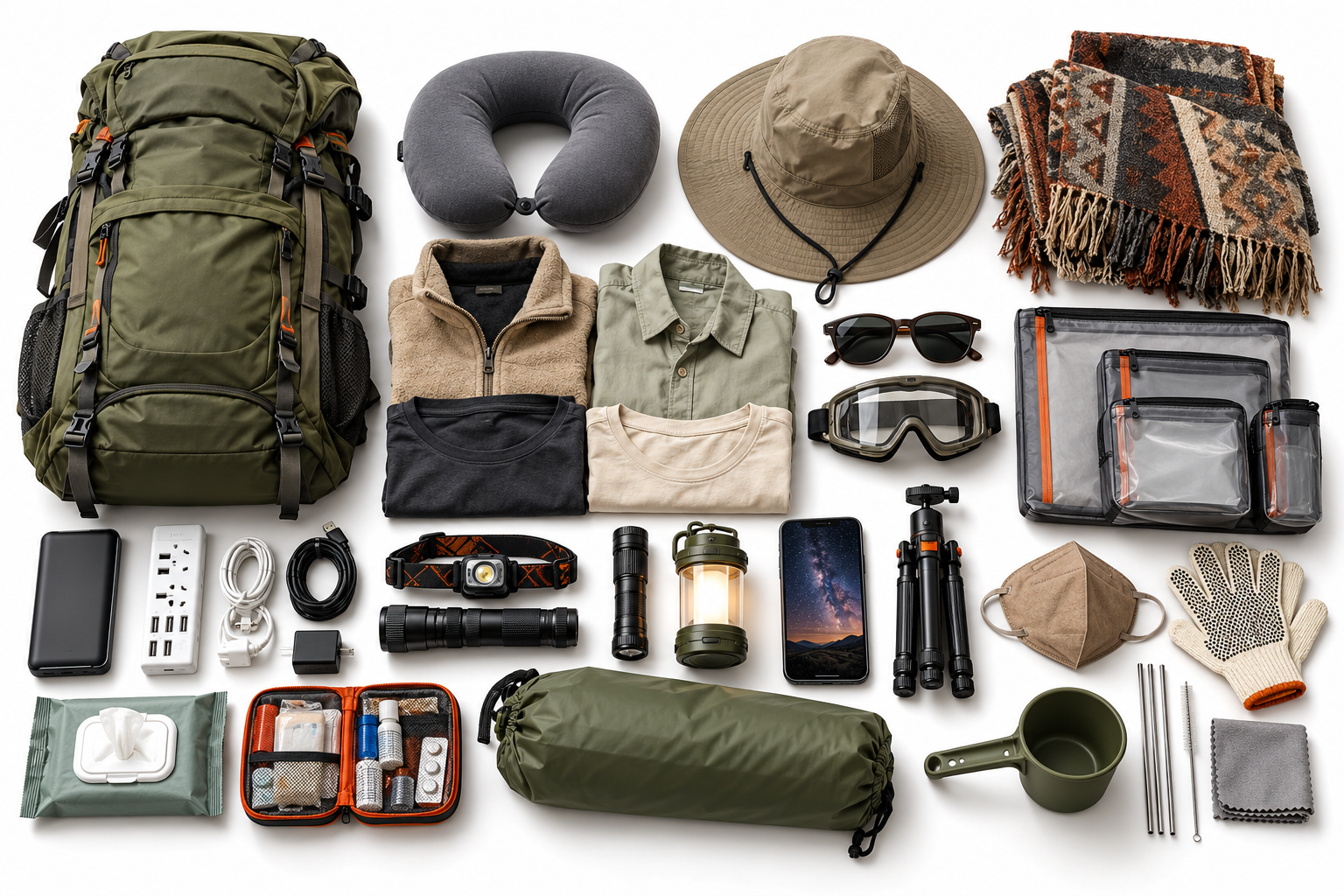
What to Pack for Mongolia

Prepare for changing weather and varied terrain.

Read full guide Close guide

Packing for Mongolia is all about preparing for changing weather and varied travel conditions. You may experience warm sunshine, cold winds, rain, and chilly nights during the same trip, especially when traveling between the Gobi Desert, mountains, and open steppe.

Essential Clothing

We recommend bringing comfortable clothing that can be worn in layers.

  • Lightweight, breathable shirts for warm days
  • Warm fleece or sweater
  • Windproof and waterproof outer jacket
  • Comfortable long trousers
  • Thermal base layers for cooler seasons
  • Warm socks and sleepwear
  • Comfortable walking shoes or hiking boots
  • Sun hat and sunglasses
  • Warm hat and gloves, depending on the season
  • Modest, comfortable clothing for visiting monasteries and local families

Personal Essentials

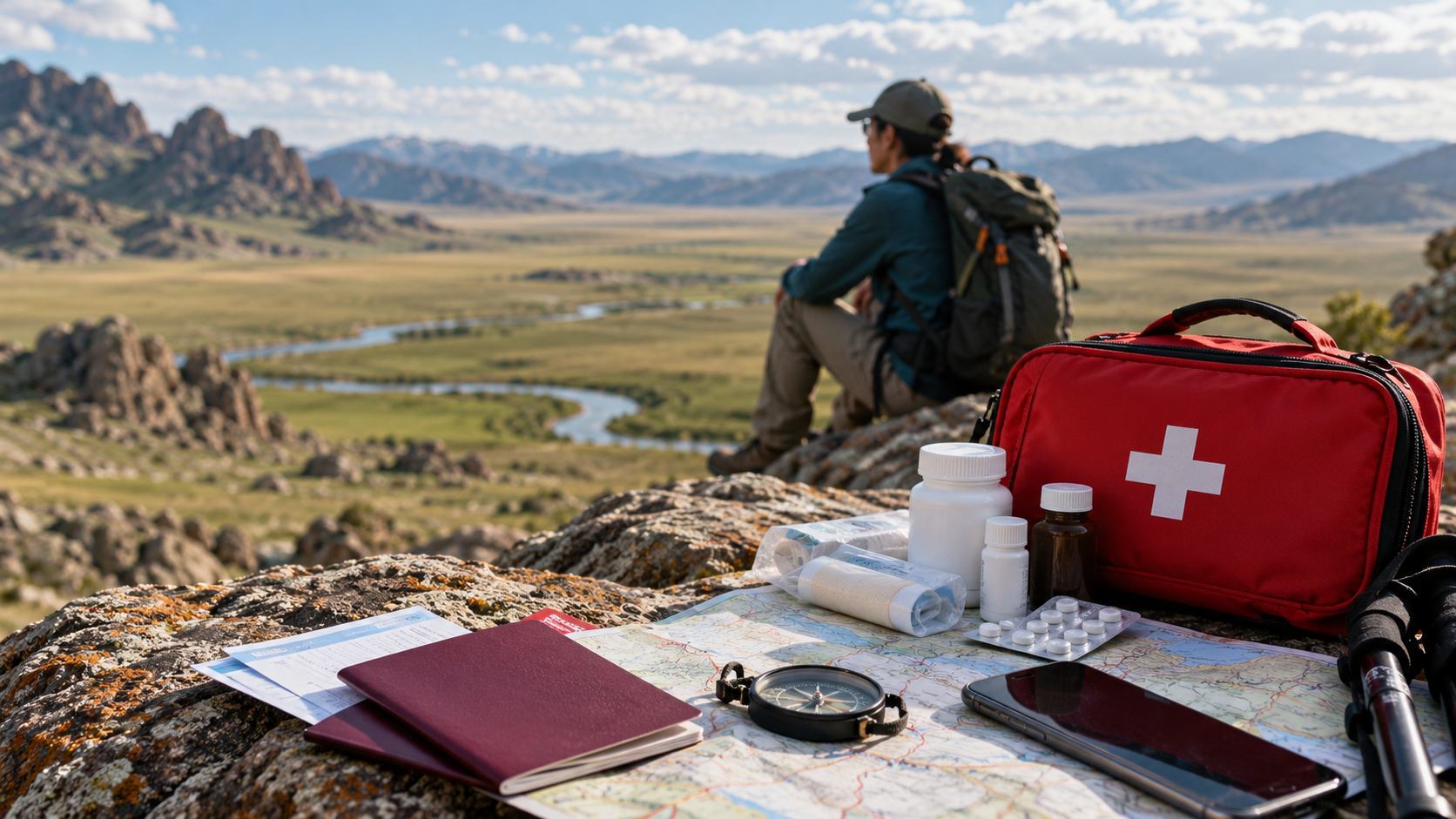
  • Passport and copies of important travel documents
  • Travel insurance information
  • Prescription medication and personal medical supplies
  • Sunscreen and lip balm
  • Moisturizer for dry weather
  • Insect repellent
  • Reusable water bottle
  • Personal toiletries
  • Wet wipes and hand sanitizer
  • Small flashlight or headlamp
  • Power bank and charging cables
  • Small daypack
  • Camera and spare memory cards

Packing for the Gobi Desert

Gobi journeys can involve strong sunshine, dry air, dust, and considerable temperature differences between day and night.

Pack a scarf or buff, sunglasses, closed-toe footwear, sun protection, and a warm layer for evenings.

Packing for Horseback Riding

Comfortable long trousers, sturdy closed-toe shoes, and suitable riding head protection are important. Avoid loose scarves or accessories that could become caught in riding equipment.

Packing for Winter

Winter travelers need insulated boots, thermal underwear, a properly rated winter jacket, warm gloves, wool socks, face protection, and other clothing suitable for extreme cold.

Luggage advice

Soft-sided luggage or duffel bags are often easier to arrange in tour vehicles than large hard-shell suitcases. Please check the luggage allowance for domestic flights or specialist tours separately.

JOY MONGOLIA TIP

We provide destination- and season-specific packing recommendations once your itinerary is confirmed.

Where You Will Stay

Discover hotels, tourist camps and traditional gers.

Read full guide Close guide

Accommodation is an important part of discovering Mongolia. Depending on your itinerary, you may stay in a modern city hotel, a comfortable tourist ger camp, or a traditional family ger in the countryside.

Each offers a different experience, and facilities can vary considerably by destination.

Hotels in Ulaanbaatar

The capital offers a range of hotels, from practical mid-range properties to international-standard accommodation.

Most city hotels provide private bathrooms, heating, and standard hotel facilities, although individual amenities depend on the property booked.

Tourist Ger Camps

Ger camps are one of the most memorable parts of traveling in Mongolia. Guests sleep in traditional circular dwellings surrounded by natural scenery.

Facilities vary between camps and may include:

  • Private or shared bathrooms
  • Hot showers with scheduled operating times
  • Restaurants serving set meals
  • Heating or wood-burning stoves
  • Limited or continuous electricity
  • Charging areas for phones and cameras
  • Wi-Fi in certain common areas

Some remote camps provide electricity only during designated hours. Hot-water availability may also be limited.

Deluxe and Luxury Ger Camps

Selected camps offer additional comforts such as private bathrooms, upgraded bedding, and more spacious interiors.

However, even luxury accommodations in remote regions may have limitations compared with international city hotels.

Nomadic Family Homestays

Staying with a nomadic family offers an opportunity to experience traditional Mongolian hospitality and everyday life.

Facilities are generally basic. Travelers may share living spaces, use outdoor toilets, and have limited access to showers or electricity.

These stays are ideal for visitors seeking authentic cultural exchange rather than hotel-style comfort.

Important Accommodation Information

Before booking, please consider:

  • Whether bathrooms are private or shared
  • Hot-water and shower availability
  • Heating arrangements
  • Bed configuration
  • Availability of charging facilities
  • Wi-Fi access
  • Special dietary requirements
  • Mobility and accessibility needs

JOY MONGOLIA TIP

Accommodation details are provided in your confirmed itinerary. Please contact us before booking if a private bathroom, specific bedding arrangement, or another facility is essential to your comfort.

Visa & Entry Requirements

Check the requirements for your own passport.

Read full guide Close guide

Before traveling to Mongolia, it is important to check passport validity, visa requirements, and entry regulations. Requirements depend on your nationality, passport type, purpose of visit, and length of stay.

Passport Requirements

Travelers should ensure that their passports:

  • Have at least six months of validity remaining from the intended date of arrival.
  • Are in good condition and contain sufficient blank pages.
  • Match the personal details used for flight and visa reservations.

Do I Need a Visa?

Mongolia offers visa-free travel arrangements for nationals of various countries, while eligible visitors from other countries can apply for an electronic visa.

Visa exemptions and permitted lengths of stay vary depending on nationality and may change over time.

For example, Mongolia has extended a temporary 30-day tourist visa exemption for nationals of 34 countries through the end of 2026. Travelers should verify whether similar arrangements apply to their intended travel dates.

Applying for an E-Visa

Eligible travelers can apply online through Mongolia’s official electronic visa application system.

The process generally involves completing an application, submitting the required details, paying the application fee, and receiving a decision electronically.

We recommend applying well before departure rather than relying on last-minute approval.

Official resources:

Documents to Keep Accessible

Before traveling, prepare digital and, where practical, printed copies of:

  • Passport and applicable visa
  • International flight itinerary
  • Confirmed tour itinerary
  • Accommodation information
  • Travel insurance documents
  • Emergency contact details
  • Relevant documents for children traveling with adults other than their parents

Arrival and Immigration

Travelers may be asked about the purpose of their visit, accommodation arrangements, and intended departure date.

Accommodation providers or hosts are required to arrange registration with the Immigration Agency within the applicable timeframe, generally 48 hours after arrival. Travelers staying independently should confirm who is responsible for this process.

Customs and Restricted Items

Regulations apply to certain medicines, cash, animal products, drones, and other restricted or controlled goods. Declare items when required.

Travelers planning to bring professional filming equipment, drones, or specialized equipment should verify the relevant import and operating permissions in advance.

JOY MONGOLIA TIP

If you are unsure which entry requirements apply to you, contact our team before making non-refundable travel arrangements. Final decisions on visas and entry remain with the relevant authorities.

Getting to Mongolia

Plan your arrival and airport transfer.

Read full guide Close guide

Most international visitors begin their Mongolia adventure in Ulaanbaatar, the country’s capital and main international gateway.

International Flights

The main international airport serving Ulaanbaatar is Chinggis Khaan International Airport (UBN).

International connections are available from selected cities in Asia and other regions, depending on airline schedules and seasonal operations.

Flight routes, frequencies, and transit requirements should be checked before booking.

Airport Arrival

After landing, travelers normally proceed through immigration, baggage collection, and customs.

Please keep your passport, baggage receipt, and tour contact information easily accessible.

Airport Transfers

For travelers with a pre-arranged transfer, the meeting point and pickup instructions should be confirmed before departure.

If your airport transfer is included in your JOY MONGOLIA itinerary, your confirmation should explain where to meet your driver or guide and whom to contact if your flight changes.

Arrival Day Recommendations

After a long flight, we recommend allowing time to rest, exchange a small amount of money if necessary, purchase a local SIM card, and prepare for your countryside journey.

Some itineraries may begin on the day of arrival, while others include an overnight stay in Ulaanbaatar.

Flight Delays and Changes

Weather, airline schedule adjustments, operational issues, or other circumstances may affect flights.

If your flight is delayed or rescheduled, inform our team as soon as possible and provide the updated flight details.

Important: During periods of fuel supply disruption or challenging weather, flight and road schedules may require additional flexibility.

Transportation & Road Conditions

Understand distances, vehicles and countryside roads.

Read full guide Close guide

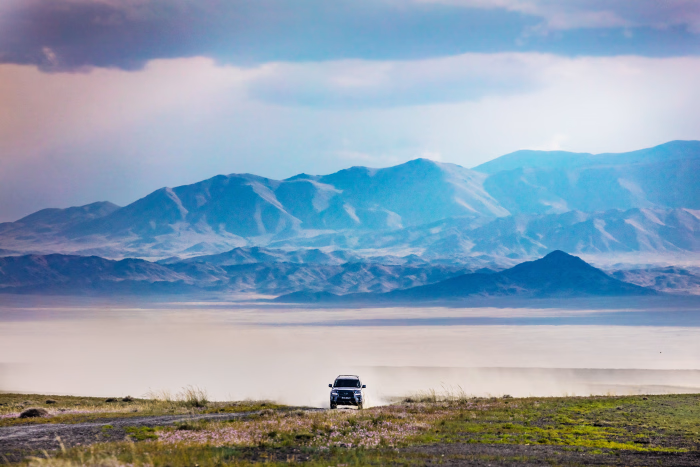
Traveling through Mongolia is part of the adventure. The country is vast, distances between destinations can be long, and road conditions vary significantly between cities and remote rural areas.

Types of Transportation

Depending on group size, destination, and itinerary, travel may involve:

  • Comfortable city vehicles
  • Minivans or minibuses
  • Four-wheel-drive vehicles
  • Larger group coaches
  • Domestic flights
  • Specialist expedition vehicles

Your confirmed itinerary should specify the transportation arrangements included.

Road Conditions in Mongolia

Major routes are increasingly served by paved roads, but many scenic and remote destinations still require travel on gravel, dirt, sand, or natural tracks.

Some sections may become difficult after heavy rain, snowfall, or strong winds.

Travel Distances

A journey that looks short on a map can take considerably longer than expected due to road conditions, necessary stops, and weather.

Travelers should expect occasional bumpy sections and allow flexibility in daily schedules.

Comfort During Long Drives

We recommend bringing water, small snacks, sunglasses, personal medication, and a light jacket within easy reach.

If you experience motion sickness or have back or mobility problems, let our team know in advance.

Self-Driving in Mongolia

Independent driving requires careful preparation and may be unsuitable for travelers unfamiliar with remote routes.

Potential challenges include:

  • Limited mobile phone coverage
  • Long distances without fuel stations
  • Few repair services outside population centers
  • Livestock wandering onto roads
  • Poor visibility during dust storms
  • Difficult navigation where signs are absent
  • Unpaved roads and river crossings
  • Limited emergency assistance in remote areas

Travelers choosing to self-drive should independently confirm driving licence requirements, insurance coverage, vehicle recovery arrangements, route conditions, and emergency communication equipment.

JOY MONGOLIA TIP

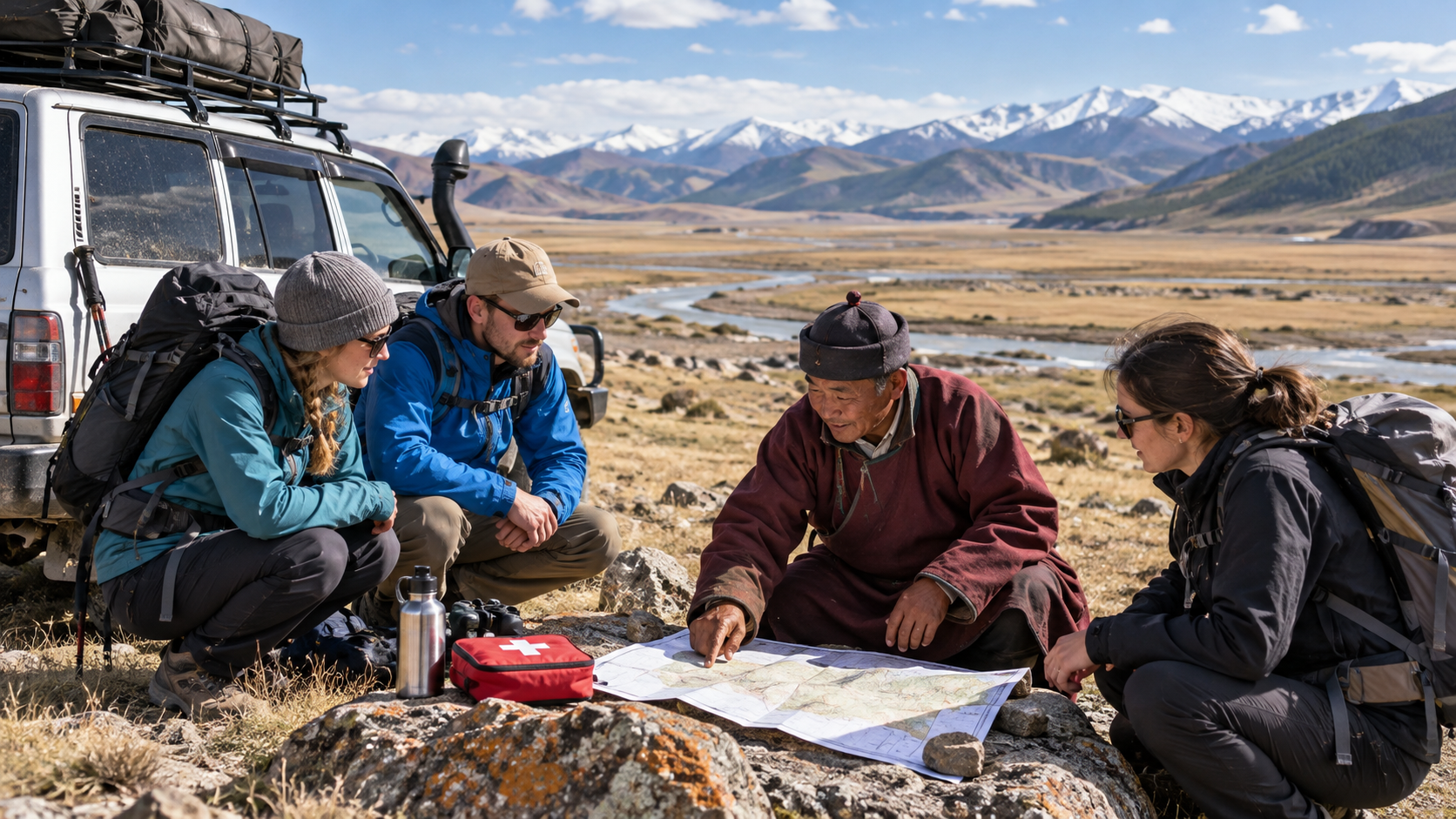
For remote countryside travel, we recommend arrangements involving an experienced local driver or guide familiar with the region. This reduces many practical difficulties, although it does not eliminate travel risks.

View all 16 topics + Show fewer topics −

Money & Payments in Mongolia

Plan for both city payments and rural purchases.

Read full guide Close guide

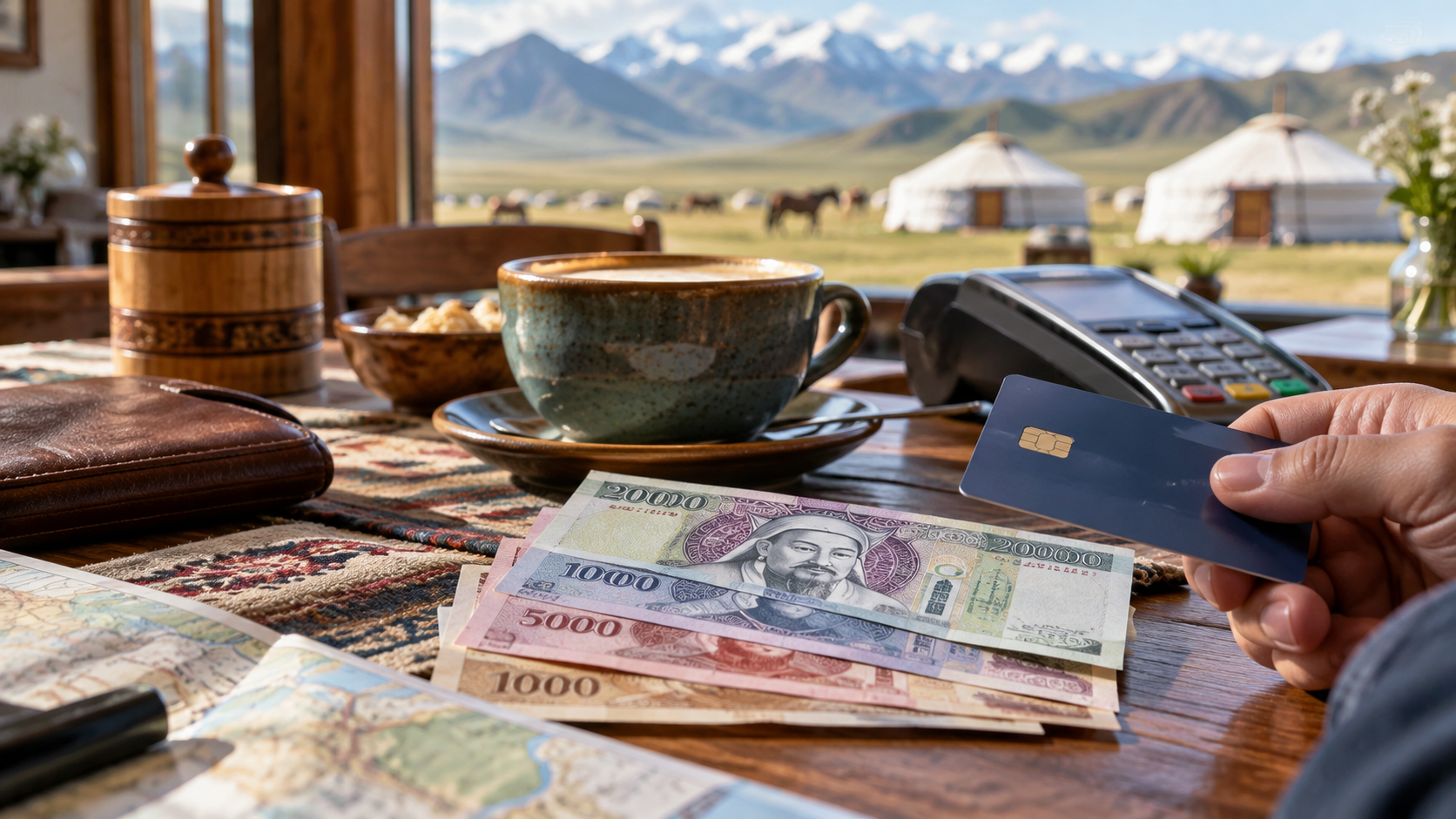
Mongolia’s official currency is the Mongolian Tugrik (MNT). While electronic payments are common in Ulaanbaatar, carrying local cash is important when visiting rural destinations.

Currency and Exchange

Foreign currency can be exchanged at banks and authorized exchange services in Ulaanbaatar and other larger towns.

Exchange rates fluctuate, so we recommend checking current rates before your trip.

Credit and Debit Cards

International payment cards are accepted at many city hotels, restaurants, supermarkets, and established businesses.

However, small countryside shops, nomadic families, local markets, and remote service providers may accept only cash.

ATMs

ATMs are available in Ulaanbaatar and many provincial centers but can be unreliable or unavailable in remote regions.

Withdraw enough cash before setting out on longer countryside journeys.

How Much Cash Should I Bring?

The amount depends on how much of your tour is prepaid and whether you plan to purchase souvenirs, extra drinks, or optional services.

Review your confirmed itinerary to understand which meals, entrance fees, activities, and other expenses are included.

Tipping in Mongolia

Tipping is appreciated but should not be treated as mandatory unless a particular charge has been clearly disclosed.

Travelers may choose to tip guides, drivers, and hospitality staff in recognition of good service.

Shopping and Souvenirs

Popular local products include cashmere, felt crafts, handmade accessories, traditional artwork, and locally produced gifts.

Purchases involving antiques, protected wildlife, or regulated animal products may be subject to legal restrictions.

JOY MONGOLIA TIP

Keep a small amount of Mongolian currency in easily accessible denominations for rural shops, rest stops, and small purchases.

Internet, SIM Cards & Electricity

Stay connected and prepare for charging on the road.

Read full guide Close guide

Staying connected in Mongolia is straightforward in most urban areas, but internet access and mobile coverage can become limited when traveling through remote landscapes.

Mobile Networks

Local mobile service providers include Mobicom, Unitel, and Skytel.

Visitors can purchase eligible prepaid SIM options, subject to provider requirements. eSIM availability depends on the operator, device, and plan.

Where to Buy a SIM Card

SIM cards may be available at airport counters, provider branches, and designated retail locations.

Travelers should bring their passports when purchasing a local SIM card.

Internet in Ulaanbaatar

Most modern hotels and many restaurants or cafés offer Wi-Fi. Connection quality and speed vary.

Internet in the Countryside

Mobile data can be unreliable or completely unavailable in parts of the Gobi Desert, mountain regions, and remote valleys.

Even where a ger camp advertises Wi-Fi, the connection may be restricted to a central building or shared area.

Electricity and Charging

Mongolia generally uses 220V / 50Hz electricity with European-style round-pin sockets, commonly Types C and E. A universal adapter can be useful.

Some countryside camps have charging facilities only at specific times. Others provide electricity throughout the day.

Please check the arrangements for your particular accommodation.

Useful Preparation

  • Download offline maps before leaving the city.
  • Save your tour itinerary and contact details offline.
  • Bring a charged power bank.
  • Keep important bookings available without internet access.
  • Check whether your phone supports local mobile services.
  • Let family members know that you may be unreachable for short periods.

JOY MONGOLIA TIP

If reliable internet access is essential for work or personal reasons, tell us before booking. We can help identify accommodations and routes more suitable for your connectivity needs, without guaranteeing uninterrupted service.

Food & Drinking Water

Get to know local meals and discuss dietary needs.

Read full guide Close guide

Food is an important part of Mongolia’s culture and hospitality. Traditional cuisine reflects the country’s nomadic heritage, with meat, dairy products, and simple, nourishing meals playing a central role.

Traditional Mongolian Cuisine

Popular dishes include:

  • Buuz: Steamed dumplings, usually filled with seasoned meat.
  • Khuushuur: Fried meat-filled pastries.
  • Tsuivan: Stir-fried noodles with meat and vegetables.
  • Guriltai Shul: Traditional noodle soup.
  • Banshtai Shul: Soup with small dumplings.
  • Suutei Tsai: Mongolian milk tea, often prepared with salt.
  • Airag: Traditional fermented mare’s milk, generally containing alcohol.

Meals During Your Tour

Meals vary depending on destination, accommodation, and the arrangements included in your itinerary.

In Ulaanbaatar, travelers can find Mongolian and international cuisine.

In the countryside, meals may be served at ger camps, local restaurants, family homes, or prepared by your travel team, depending on the booked program.

Food choices at remote establishments can be limited.

Vegetarian, Vegan & Special Diets

Vegetarian and other dietary requirements can often be accommodated with advance planning, but options may be restricted in some remote areas.

Please inform us before booking if you have:

  • Vegetarian or vegan requirements
  • Food allergies or intolerances
  • Religious dietary restrictions
  • Medical dietary requirements
  • Strong preferences or foods you cannot eat

We will discuss what is realistically available along your route.

Drinking Water

We recommend drinking commercially bottled water or properly treated drinking water.

Avoid drinking untreated water from rivers, lakes, or other natural sources.

Food Hygiene

Travelers should wash or sanitize their hands regularly and take sensible precautions with food storage and preparation.

When visiting a nomadic family, traditional food or dairy products may be offered as an expression of hospitality. You may politely decline if you have an allergy, dietary restriction, or concern about consuming an unfamiliar product.

Alcoholic Beverages

Alcohol may be available in hotels, restaurants, and some camps. Drink responsibly, particularly before outdoor activities or during physically demanding journeys.

JOY MONGOLIA TIP

The best time to tell us about a dietary restriction is before your itinerary and meal arrangements are finalized.

Health & Travel Insurance

Prepare for travel in remote areas.

Read full guide Close guide

Mongolia offers rewarding travel experiences, but its remote landscapes and long distances make health preparation especially important.

Medical facilities in Ulaanbaatar are generally more accessible than in the countryside, where specialized treatment and emergency services may be limited.

Travel Insurance

We strongly recommend comprehensive travel insurance for all visitors.

Your policy should cover:

  • Emergency medical treatment
  • Hospitalization
  • Emergency medical evacuation and repatriation
  • Trip cancellation and interruption
  • Lost or delayed baggage
  • Personal accidents
  • Outdoor activities included in your itinerary

For horse riding, motorcycle tours, trekking, or other adventure activities, confirm explicitly that these activities are covered.

Medical evacuation coverage is particularly important for remote areas where advanced treatment may not be immediately available.

Vaccinations and Medical Advice

Consult a travel healthcare professional before departure and check that routine vaccinations are up to date.

Depending on your travel history and planned activities, additional vaccinations or preventive measures may be recommended.

For current recommendations, visit the CDC Mongolia Travel Health Information.

Prescription Medications

Travelers requiring regular medication should bring an adequate supply for the whole journey, plus a reasonable allowance for delays.

Keep medication in its original packaging and carry copies of prescriptions where appropriate.

Some medicines may be subject to import restrictions.

Existing Medical Conditions

Please tell us about medical conditions that could affect your safety or the practical arrangements required for your trip.

Examples include significant mobility limitations, heart or respiratory conditions, severe allergies, or conditions requiring regular medical support.

Only relevant information needs to be shared, and sensitive medical details should be handled privately.

Altitude and Physical Conditions

Some mountainous destinations are situated at elevations where altitude-related symptoms may occur.

Discuss your planned itinerary with a healthcare professional if you have concerns about altitude, physical exertion, or pre-existing conditions.

Sun, Weather and Dehydration

Mongolia’s dry climate, strong sunshine, wind, and changing temperatures may cause discomfort if travelers are unprepared.

Drink sufficient water, use sunscreen, dress in layers, and protect yourself from extreme temperatures.

Medical Facilities and Emergencies

Advanced care may require travel to a larger town or Ulaanbaatar.

Travelers should understand that emergency response times may be longer in isolated locations.

JOY MONGOLIA TIP

Please discuss relevant health considerations with our team before confirming a remote itinerary so we can help assess its practical suitability.

Safety in Mongolia

Travel with awareness and experienced local support.

Read full guide Close guide

Mongolia is a welcoming destination with wide-open spaces and a strong tradition of hospitality. However, traveling safely requires awareness of the country’s natural environment, changing weather, and remote locations.

Safety in Cities

Take normal precautions in Ulaanbaatar and other urban areas.

Keep valuables secure, remain alert in crowded locations, use reputable transport services, and avoid walking alone in unfamiliar areas late at night.

Safety in the Countryside

Remote areas can present different challenges from city travel.

Mobile coverage may be limited, distances between settlements can be considerable, and access to medical care or mechanical assistance may be difficult.

Wildlife and Livestock

Horses, cattle, camels, sheep, and other livestock may move freely near or across roads.

Do not approach unfamiliar animals without guidance. Never attempt to feed, chase, or handle wildlife.

Weather-Related Risks

Strong winds, heavy rainfall, sudden snowfall, extreme cold, and dust storms may affect travel.

Routes and activities may need to be adjusted if conditions become unsafe.

Horse and Camel Riding Safety

Listen carefully to your instructor or guide.

Do not attempt to control an animal beyond your experience level, and use appropriate safety equipment.

Children should receive suitable supervision during animal-related activities.

Staying Safe on the Road

Always use seatbelts where fitted. Avoid unnecessary nighttime driving in remote areas.

Follow your driver’s or guide’s instructions when crossing difficult terrain or stopping near roads.

Photography and Restricted Areas

Always ask permission before photographing people closely, especially inside private homes or during personal ceremonies.

Border zones, military facilities, and other restricted areas may be subject to photography or access limitations.

Drones may require separate approval. Do not assume that permission to enter an area includes permission to operate a drone.

Emergency Contact Numbers

101

Fire

102

Police

103

Ambulance

Official emergency numbers in Mongolia.

In an emergency, contact the relevant local service, your guide or tour coordinator, and your travel insurer as appropriate.

Emergency response and English-language assistance may be limited in remote areas.

JOY MONGOLIA TIP

A carefully planned itinerary, experienced local support, suitable insurance, and flexibility are important parts of responsible travel in Mongolia.

Mongolian Culture & Etiquette

Enjoy respectful encounters with local families.

Read full guide Close guide

Mongolian hospitality is deeply connected to nomadic traditions, respect for guests, and strong family relationships.

Learning a little about local customs can make your journey more meaningful and help create positive connections with the people you meet.

Visiting a Nomadic Family

When entering a traditional ger, it is customary to follow your host’s guidance about where to sit and how to behave.

Avoid stepping on the threshold when entering or leaving.

Treat household objects, religious items, and family belongings respectfully.

Accepting Hospitality

Guests may be offered tea, dairy products, snacks, or traditional food.

Receiving an offering politely is appreciated. If you cannot consume something, explain kindly or ask your guide to assist.

Respecting Personal Space and Privacy

Always ask before entering a private home, photographing family members, or sharing identifiable images publicly.

Remember that a nomadic family home is a living space, not simply a tourist attraction.

Understanding the Ger

The traditional Mongolian ger is designed to provide shelter and comfort across changing seasons.

Certain areas may have special cultural significance, so it is best to follow the host’s guidance.

Monasteries and Sacred Places

When visiting Buddhist monasteries or other culturally significant places:

  • Dress respectfully.
  • Follow posted photography rules.
  • Avoid disturbing ceremonies.
  • Do not touch sacred objects without permission.
  • Follow instructions concerning shoes, hats, and restricted areas.

Useful Mongolian Phrases

English Mongolian Pronunciation
HelloСайн байна уу?Sain baina uu?
Thank youБаярлалааBayarlalaa
YesТиймTiim
NoҮгүйÜgüi
GoodbyeБаяртайBayartai
How much is it?Энэ хэд вэ?Ene khed ve?
DeliciousАмттайAmttai
Sorry / Excuse meУучлаарайUuchlaarai

JOY MONGOLIA TIP

Your local guide can help explain traditions, translate conversations, and make cultural encounters more comfortable for everyone involved.

Activities & Physical Preparation

Choose experiences that suit your abilities.

Read full guide Close guide

Mongolia offers a wide variety of outdoor experiences, from relaxed sightseeing and cultural visits to horseback riding, camel trekking, hiking, and wilderness exploration.

Understanding the physical requirements of your activities helps you select the journey that suits you best.

Horseback Riding

Horse riding is a traditional part of Mongolian life and a popular visitor experience.

Before riding:

  • Inform your guide of your experience level.
  • Wear appropriate footwear and clothing.
  • Use correctly fitted protective headgear.
  • Follow the riding instructor’s directions.
  • Avoid sudden movements or loud noises near horses.
  • Do not attempt fast riding unless the activity, equipment, supervision, and your ability are appropriate.

Camel Riding

Camel riding is a memorable activity in parts of the Gobi Desert.

Riders should follow instructions when mounting and dismounting, remain seated as directed, and avoid sudden movements.

Hiking and Trekking

Hiking conditions vary widely between destinations.

Some routes involve gentle walks, while others require several hours of walking on rocky, steep, sandy, or uneven surfaces.

Travelers should choose footwear appropriate for the terrain and understand the expected distance and difficulty before departure.

Sand Dune Activities

Walking on sand can be more physically demanding than walking on firm ground.

Protect yourself from the sun, carry drinking water, and follow guidance when exploring steep dunes.

Photography Tours

Photography-focused travel may involve early mornings, long drives, cold temperatures, and waiting outdoors for suitable lighting.

Bring weather protection for yourself and your equipment.

Motorcycle and Adventure Tours

Specialist motorcycle or off-road tours require suitable riding skills, protective equipment, valid documentation, and activity-specific insurance.

The availability of support vehicles, mechanics, fuel arrangements, and recovery services should be confirmed before departure.

Activity Difficulty Levels

Level Description
EasyMostly sightseeing, short walks, limited physical exertion
ModerateLonger walks, uneven terrain, or occasional physically demanding activities
ActiveRegular outdoor activities requiring reasonable fitness
ChallengingExtended trekking, remote routes, or specialist adventure activities

The difficulty level of a particular itinerary should be determined by its actual terrain, walking distances, altitude, and planned activities.

JOY MONGOLIA TIP

You do not need to be an experienced adventurer to enjoy Mongolia. We can help plan a comfortable cultural journey or a more active experience based on your interests and abilities.

Traveling With Children & Senior Travelers

Make the journey comfortable for every generation.

Read full guide Close guide

Mongolia can be a wonderful destination for families and travelers of different ages. The key is selecting a suitable itinerary with realistic travel distances, comfortable accommodations, and appropriate activities.

Traveling With Children

For families with young children, consider:

  • Shorter driving days
  • Regular restroom and rest stops
  • Comfortable accommodation
  • Suitable meals and snacks
  • Appropriate child restraints in vehicles
  • Age-appropriate activities
  • Supervision around animals, rivers, and cliffs
  • Sun and cold-weather protection

Traveling With Older Children and Teenagers

Children and teenagers may particularly enjoy horse riding, learning about nomadic life, visiting nature reserves, camping experiences, and outdoor photography.

Activities should always match individual experience and physical ability.

Traveling With Seniors

Older travelers may prefer itineraries that include shorter driving days, additional rest opportunities, and accommodation with private bathrooms.

Consider the presence of steps, uneven ground, limited handrails, and nighttime access to toilet facilities at countryside accommodations.

Medical and Mobility Considerations

Travelers using walking aids or requiring accessible facilities should contact us before booking.

Accessibility can be limited in remote areas, including some ger camps and outdoor attractions.

Multigenerational Family Holidays

A private itinerary can offer more flexibility for families traveling with grandparents, parents, and children together.

Choosing suitable activities, meal times, accommodations, and rest periods can make the experience more enjoyable.

JOY MONGOLIA TIP

Please share the ages of younger travelers and any essential mobility or accommodation needs during the planning stage so we can discuss suitable arrangements.

Responsible Travel in Mongolia

Respect Mongolia’s landscapes and living traditions.

Read full guide Close guide

Mongolia’s natural landscapes and living nomadic traditions are among its greatest treasures.

We encourage travelers to explore with curiosity, respect local communities, and help preserve the environment for future generations.

Protect the Natural Environment

  • Take all litter with you.
  • Avoid leaving plastic waste in the countryside.
  • Do not damage plants or natural formations.
  • Keep rivers, lakes, and water sources clean.
  • Use designated facilities whenever available.
  • Follow park rules and guide instructions.

Respect Wildlife

Observe wild animals from a safe distance.

Never feed wildlife or disturb nesting, breeding, or resting animals.

Respect Nomadic Communities

Seek permission before entering homes, approaching livestock, or photographing people.

Respect local customs and do not interfere with everyday herding activities.

Stay on Established Routes

Driving across untouched grassland can damage fragile vegetation and leave tracks that remain visible for years.

Use established vehicle routes wherever possible and follow local environmental regulations.

Support Local Communities

Choose locally made products when practical and purchase directly from legitimate community producers or artisans.

Respect the time and work of people providing cultural experiences.

Reduce Waste

Consider bringing a reusable water bottle and minimizing disposable packaging where safe and practical.

JOY MONGOLIA TIP

Our approach is to encourage meaningful journeys that respect Mongolia’s environment, local communities, and traditional way of life.

Before Departure Checklist

Review the essentials before you leave.

Read full guide Close guide

Use this checklist in the weeks before your journey to make sure you are ready for your Mongolia adventure.

Your travel readiness

0 of 17 completed

0%

4–8 weeks before departure

1–2 weeks before departure

1–2 days before departure

Final reminder

Every journey is different. Your final itinerary, accommodation confirmation, activity requirements, and the latest official travel information should always take priority over general guidance.

Have a question about your trip? Our local team can help you prepare for your journey.

Ask Our Local Team →

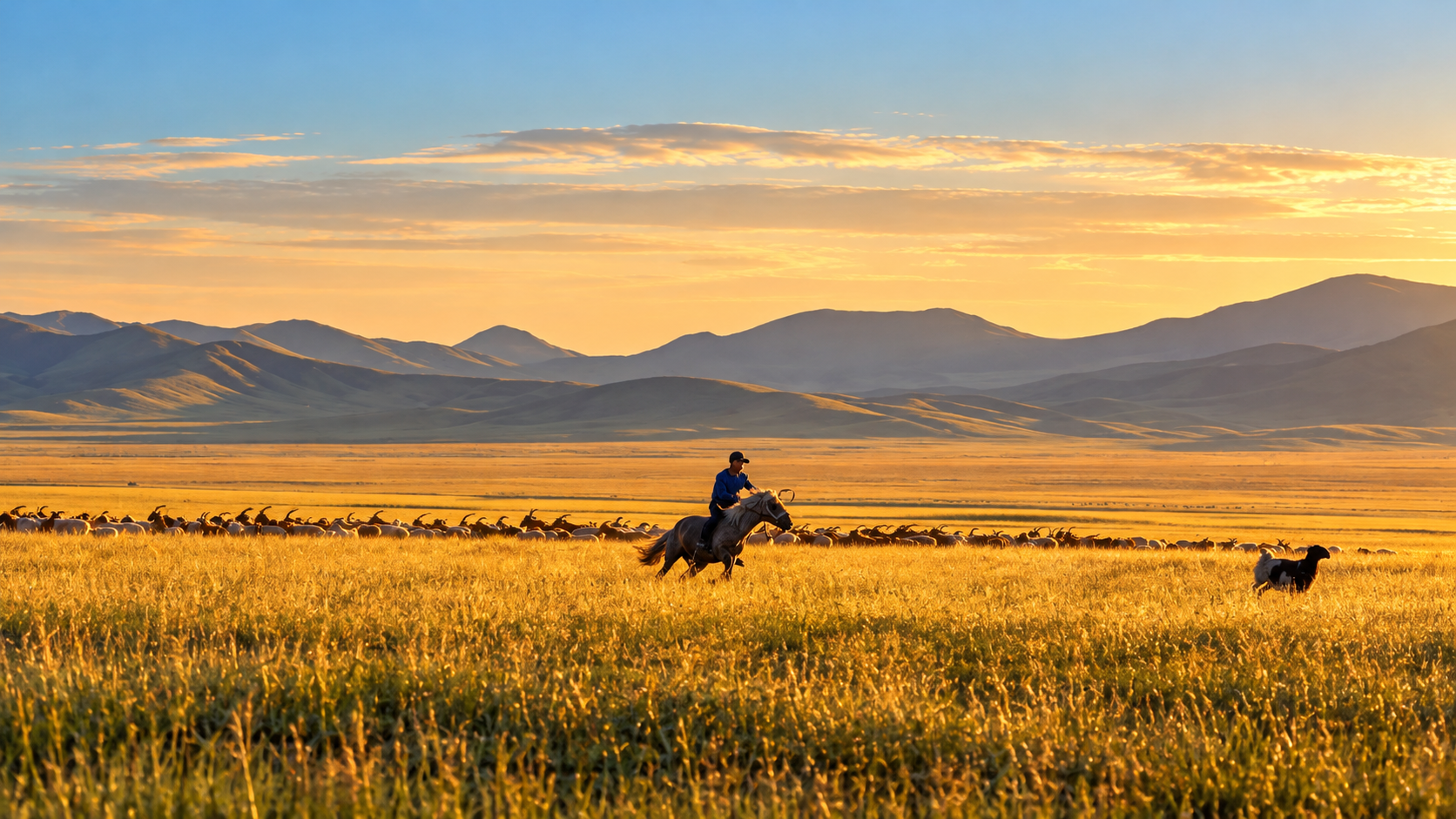
Trade the ordinary for the open steppe.